“The people expected it of me and I had got to do it; I could feel their two thousand wills pressing me forward, irresistibly. And it was at this moment, as I stood there with the rifle in my hands, that I first grasped the hollowness, the futility of the white man’s dominion in the East. Here was I, the white man with his gun, standing in front of the unarmed native crowd – seemingly the leading actor of the piece; but in reality I was only an absurd puppet pushed to and fro by the will of those yellow faces behind. I perceived in this moment that when the white man turns tyrant it is his own freedom that he destroys.”
You may recognise this passage from George Orwell’s 1936 essay, Shooting an Elephant. The essay, despite being only 3000 words in length, is one of the English writer’s most enduring works, ranking behind cultural icons Animal Farm and 1984. It encapsulates Orwell’s mental state during his time as a policeman in Burma in the 1920s. Alongside novel Burmese Days (1934) and essay A Hanging (1931), Orwell provides an almost full picture of British existence under Empire. I find the last sentence of the above passage particularly pertinent. In the context of Shooting an Elephant it refers to the loss of individual agency for those embroiled in the imperial machine. Today, it applies on a national scale, with colonial legacy having significant influence over life in the Britain.
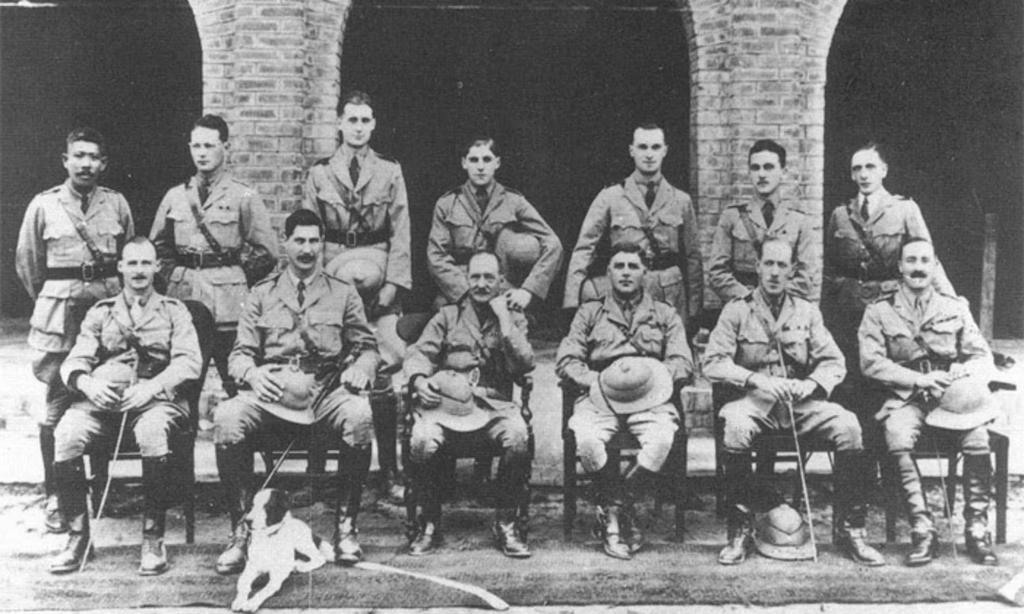
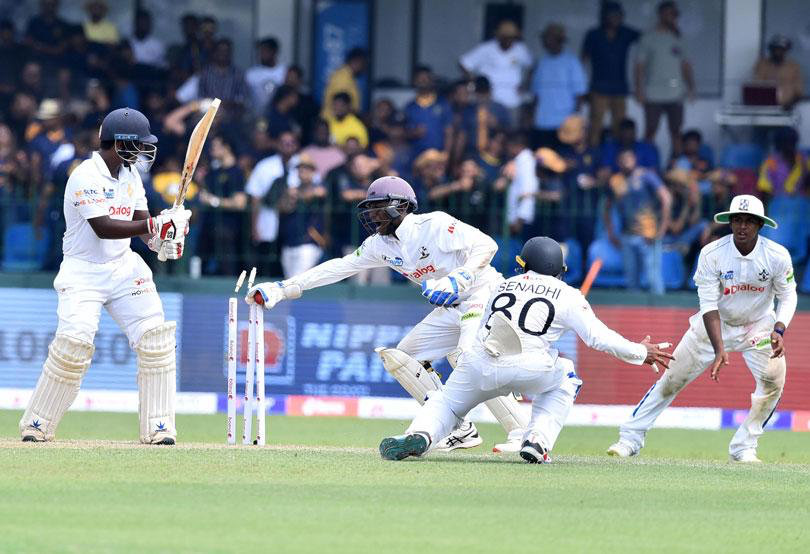
The prevailing view amongst those my age, especially those with origins from former British colonies (like myself), is that empire was an outright bad thing. In many instances, this is a result of a complete obliviousness to the facts. However, more often than not it is a result of the contrived interpretation of the facts to fit a preconceived viewpoint. Take for instance, the second longest uninterrupted cricket series in the world, The Battle of the Blues. The match has taken place annually since 1879 between two British founded schools in Sri Lanka, Royal College and St Thomas’ College. To a cricket lover whose family was educated at the former establishment, this can be no bad thing. To others it as a product of an education system designed to serve the colonial administration and a local upper class that would facilitate the British rule of Ceylon. Some would go as far as to argue that colonials forced cricket on Sri Lankans to teach them British Victorian virtues – an absolutely absurd interpretation of the facts. Similarly lopsided interpretations are made on the British established legal system, political institutions and infrastructure. In reality, to quote Oxford professor, Nigel Biggar, “if there is a debit column to the imperial ledger there is also a credit one.”
Ultimately, weighing the costs and benefits of colonialism is a futile task. Even if such an analysis were to conclude that British colonialism has been detrimental to the development of former colonies (as it might for say Belgian rule in Congo), this would be orthogonal to the case for dispelling sentiments of colonial guilt. My viewpoint is a utilitarian one; colonial guilt harms ex-colonisers and ex-colonies. It does so by creating a divided society at home whilst perpetuating feelings of victimhood overseas – a lose-lose scenario.
British children today grow up being taught that Britain is a nation built on a bed of imperial sin. Take the drive to “decolonise the curriculum” which is pushing for history syllabuses to take a “critical view” on Britain’s imperial past. Instead, it serves as a veiled attempt to promote an ideological narrative that portrays empire as unequivocally bad; it is in no way interested in exposing children to a scholarly exploration of its complexities. I don’t think those pushing for reform would be too pleased if a child were to submit an essay touting the benefits of empire.
And it doesn’t stop with history curriculums; throughout other parts of life in Britain there are attempts to foster feelings of colonial guilt. Take, for example, the BBC’s attempt to omit Land of Hope and Glory and Rule Britannia! from the Last Night at the Proms in 2020 due to their associations with colonialism and slavery. This was essentially an attack on British patriotism given the cultural importance of the songs. Thankfully, due to backlash from prom-goers this decision was overturned.1 In this instance those expressing their grievances were likely quite elderly – something I can tell you from my significant experience of attending Proms at the Royal Albert Hall. I fear that the same may not be the case 50 years down the line when those who have experienced a “decolonised” education are of typical promming age. Instead, we can expect the tearing down of statues and ripping up of paintings, as was the case for a painting of Lord Balfour at Trinity last March.

Colonial guilt not only burdens former imperial nations but also promotes a sense of victimhood that hinders the progress of former colonies. By fixating on the historical underdevelopment caused by colonialism, these nations risk neglecting contemporary challenges, such as poor governance, that are within their power to resolve. Instead ex-colonies will be eager to, and feel empowered to, push for reparations. You don’t have to be an economist to understand that a simple transfer of a dollar amount (however large) from Britain will not improve living standards permanently in these nations; long-term economic growth is a much more complex story. One thing that may be able to achieve growth in these nations is investment, especially from foreign investors based in western economies such as Britain. However, such investment may invoke memories of colonialism. Instead, ex-colonies will accept investment from China whose intentions are almost purely extractive, take their debt-trap diplomacy through the Belt and Road Initiative (BRI) which aims to expand the superpowers global geopolitical influence.
You may struggle to see how these feeling abroad may be linked to colonial guilt at home. Well consider the recent news that Lord Hermer, Britain’s attorney general, advised Caribbean nations seeking reparations for slavey in 2013. Elsewhere in his past, Hermer has described “almost every element” of the British Empire as racist whilst arguing that children should be made to learn about its “legacy of violence”. In 2013, Lord Hermer helped force the Conservative government to pay out £19.9 million in reparations to Kenyans seeking damages for abuses under British rule between 1952 and 1962. The Caribbean officials, who he advised in 2013, are set to visit London this year in search of up to £18 trillion (yes, trillion) in reparations.2 Having individuals like Hermer high up in government communicates to former colonies that we are open to discuss our colonial past, thereby enabling their victimhood.
Just as Orwell was a puppet of expectations and pressures beyond his control, Britain today risks being ensnared by the weight of its imperial past. A nation in which Brits are ashamed to be British is detrimental to the economic and social health of the nation. We need individuals to want to make Britain a better place, trust and value the communities they are a part of and be thankful for the opportunities that the nation affords us. Colonial guilt opposes these forces and it does so at the detriment of Britain’s former colonies who should stop picking apart the past.3 Instead they must focus on the future in order to develop. It is clear that there are no winners from sentiments of colonial guilt, the self-administered shackles of which must be removed immediately.
- I was particularly happy about this since I attended the 2021 Last Night with my friends and proceed to belt out the lyrics to both iconic songs. ↩︎
- The UK’s GDP in 2024 was just over £2.5 trillion. I would love to see the Excel on how the £18 trillion number is derived. ↩︎
- If this language sounds familiar, it is stolen from Rishi Sunak who, in 2023, said “to unpick our history is not the right way forward”. ↩︎
PS: Throughout this post I have emphasised the importance of considering both sides of the argument. Therefore, I attach here a very entertaining Oxford Union debate speech by Shashi Tharoor in favour of reparations.
 laisseth-faire