In the first six months of 2025, over 200 pubs in England and Wales closed their doors. This can by overwhelmingly attributed to the Labour government’s tax raid on the hospitality industry. For every £3 spent on pints and food in a pub, approximately £1 now goes to the taxman (British Beer and Pub Association (BPPA) ). The pub, an institution that can trace its roots back to Roman Britannia, is severely under threat. Regular readers of this blog may expect me to dive into a tirade on Labour’s economic ineptitude. However, the factors on the demand side of the pub market are perhaps the more interesting part of the equation. Changing preferences amongst the young, which I myself have been guilty of, threaten the structural viability of pubs beyond the (seemingly fast approaching) end of this Labour nightmare.
Whilst pubs have been closing at unprecedented rates, a very different pastime has been growing at an astronomical pace: Padel Tennis. The mutant sport, which combines aspects of traditional racket sports like lawn tennis and squash rackets, has exploded in popularity over the last five years. According to the Lawn Tennis Association (LTA), the number of courts in the UK has grown from 50 to 726 in the past four years. Player numbers rose from 6,000 to 129,000 in that same period, with this figure expected to almost quadruple by the end of 2026. “Yuppie” types seem to be the most captured by the game; those with good educations and decent jobs living in Clapham, Camden or the like flock to local Aussie-style cafes for post-padel piccolos.
One would have to be mad to open a pub today. Opening a padel centre on the other hand seems like a no brainer. With fees often in the triple digits for an hour of court time, padel centres are popping up across the country at an astonishing rate. Powerleague, Europe’s largest five-a-side football provider, is spending £14m on building 17 new padel clubs across the UK in the next two years.
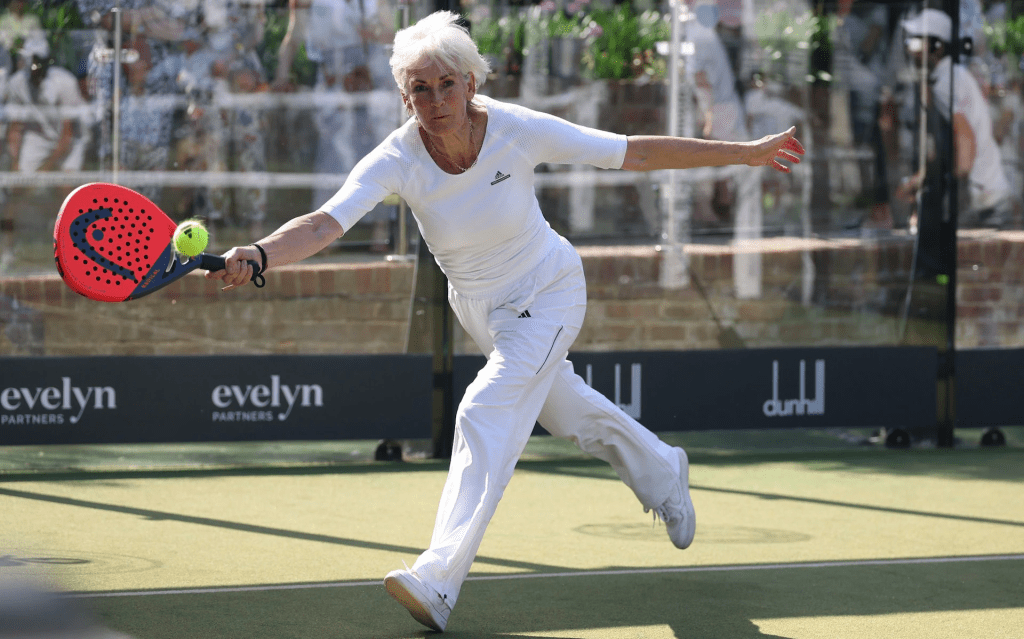
The popularity of padel and the plight of the pub represents a much larger trend we have seen since Covid. Much of Gen Z have graduated from university, begun working in London and garnered some purchasing power. They have abandoned the more traditional forms of socialising, whether that be boozy dinners, pints at the pub or nights out in town, with socialising through sport. Why? Many would suggest that if there is anyone to blame, it must be Andrew Huberman. An associate professor of neurobiology at Stanford, Huberman rose to fame for touting the physiological and psychological ailments associated with drinking on his podcast. His message has since spread like wildfire.
I do not, however, think this message alone breeds the level of abstinence we observe today. Instead, I suspect the social conditions that young people face set the ideal scene for the anit-booze revolution. Combine Huberman’s message with an increasingly competitive job market, an unascendable housing ladder and the pressures of social media, young people feel the need to focus on productivity, health and progress. Hangovers must be avoided whilst Strava kudos must be earned. To use the contextually appropriate vernacular, young people feel the need to “lock-in”.
There are many stakeholders in this race. Pub owners, padel entrepreneurs, beverage investors, lawn tennis players and pint enjoyers all have something to win or lose. Therefore, the big question on everyone’s mind is whether this is cyclical or structural. I believe this depends on whether the social conditions I mentioned above are here to stay. The economic woes resulting in unaffordable houses and hopeless job opportunities for university graduates are long term issues to which policy makers lack solutions. Social media certainly isn’t going anywhere. If we want to save our pubs, we must reignite the joviality of Britain’s young first – the pints will then buy themselves.
 laisseth-faire